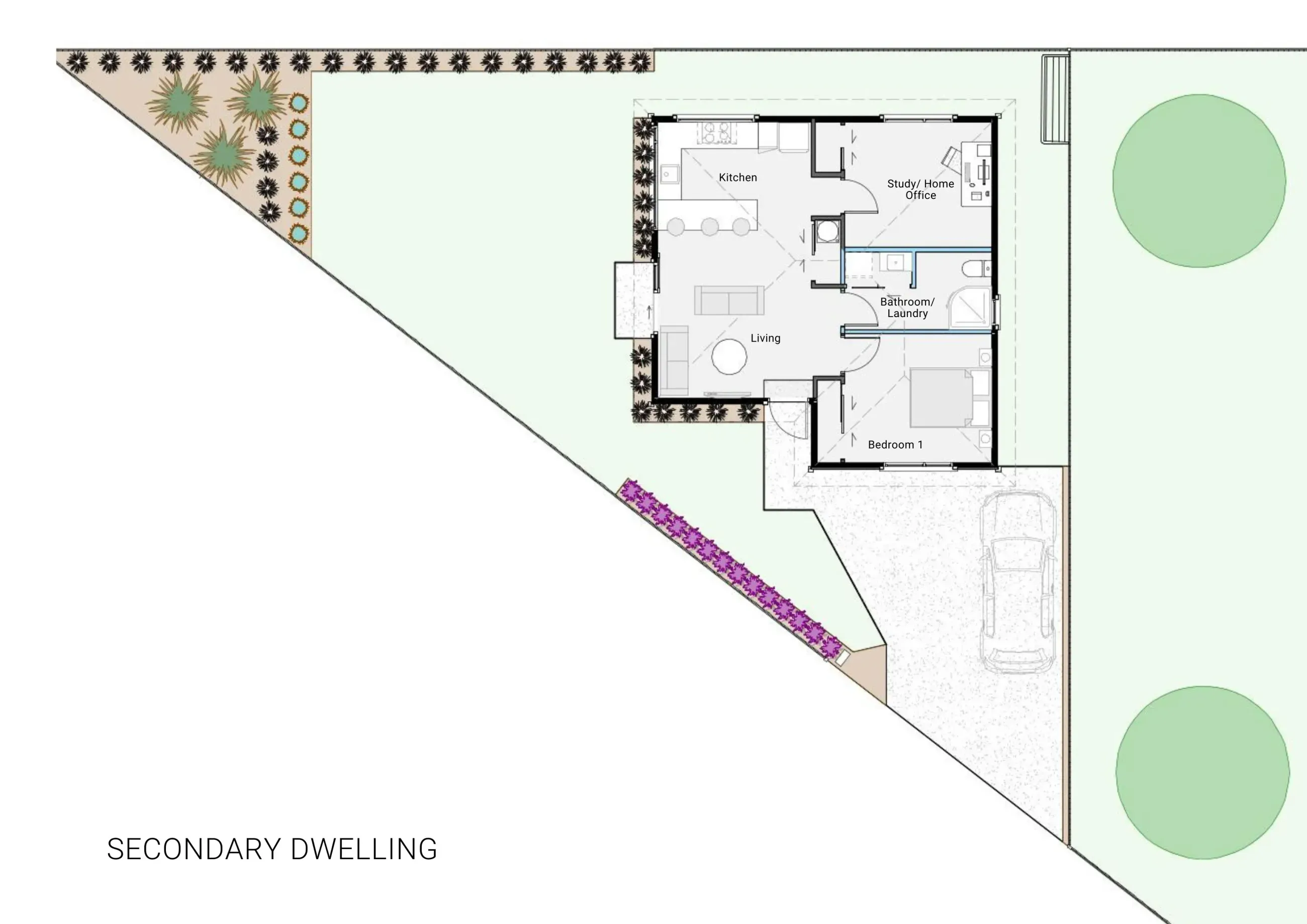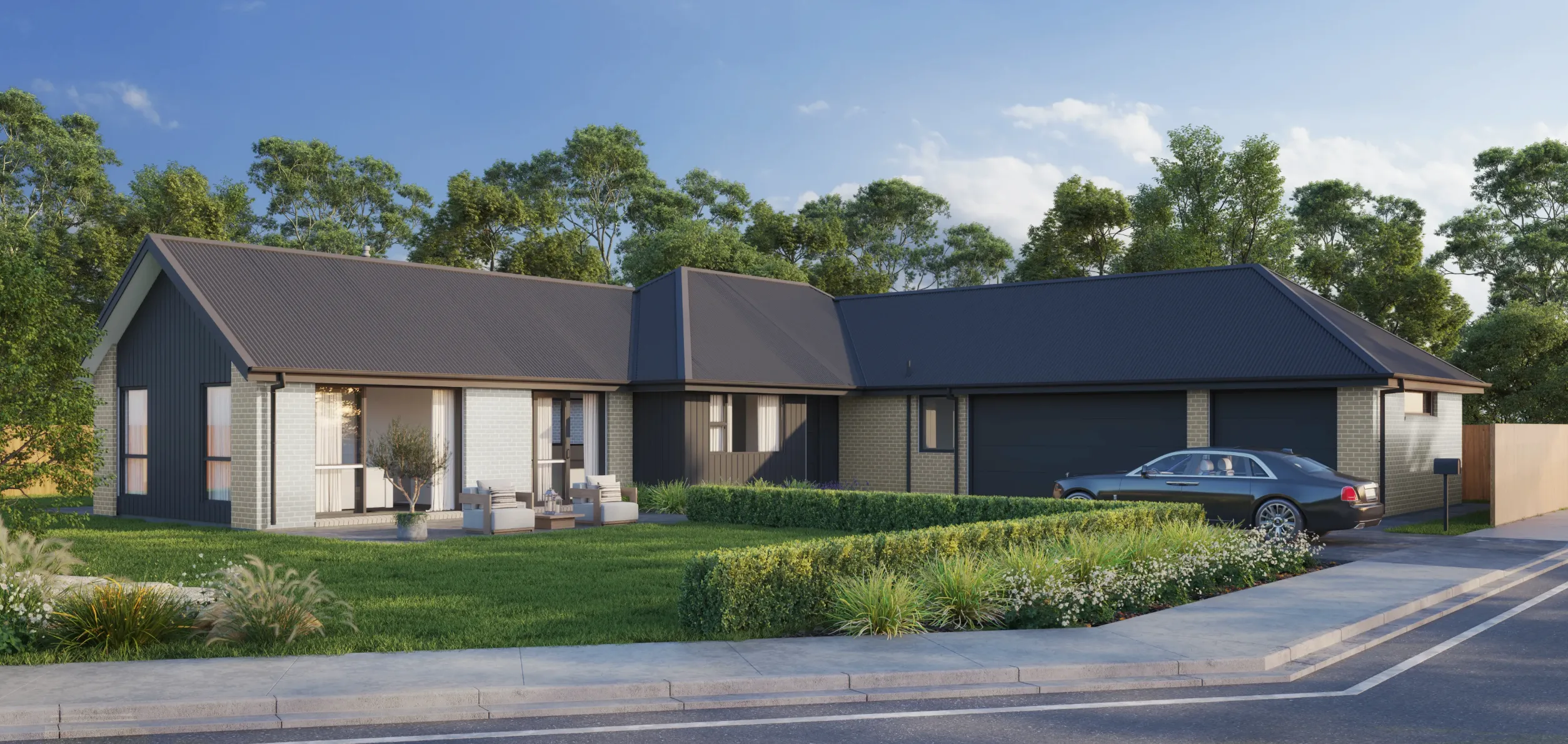
There has been a lot of discussion recently around New Zealand’s new granny flat exemption rules — and understandably so.
The idea of building a small secondary dwelling on your property without the usual building consent process sounds like a game changer for homeowners looking to create extra space, generate rental income, or provide housing for family members.
But as with most things in construction, the reality is a little more nuanced.
At ID Architecture, we’ve already had a number of clients asking: “Can I now just build a granny flat without consents?”
The short answer is: sometimes — but not automatically.
Here’s what you need to know.
What Has Changed?
As of January 2026, new small stand-alone dwellings up to 70m² may be exempt from requiring building consent and resource consent, provided they meet a very specific list of conditions.
This change was introduced under:
- Schedule 1A of the Building Act, and
- the National Environmental Standards for Detached Minor Residential Units (NES-DMRU).
According to BRANZ:
“The principal benefits [of the exemption] are time and cost savings… with estimated consent cost savings of over $4,000 for an average exempt dwelling.”
For many Kiwi homeowners, that sounds incredibly appealing.
However, “consent exempt” does not mean “rule exempt.”
The Fine Print: Not Every Granny Flat Qualifies
To be eligible for the exemption, the dwelling must comply with a surprisingly strict framework.
It must be:
- newly built
- stand-alone
- single-storey
- 70m² or smaller internal floor area
- simple in design
- built using lightweight framing and roofing materials
- no more than 4 metres in overall height
- floor level no more than 1 metre above ground
- at least 2 metres from boundaries and existing residential buildings.
That means not every “small home design” will fit within the exempt category.
Features many clients often want — such as:
- higher stud ceilings,
- complex roof forms,
- loft spaces,
- attached garages,
- difficult sloping sites,
- bespoke architectural features,
can easily push a project outside the exemption parameters.
You Still Need Professional Design Input
One of the biggest misconceptions we are seeing is the assumption that because a building consent may not be required, professional design services are no longer necessary.
In reality, the opposite is true.
These small dwellings must still:
- fully comply with the New Zealand Building Code
- meet structural requirements
- meet plumbing and drainage acceptable solutions
- comply with electrical and service connection standards
- satisfy all district planning controls
- and be designed and/or supervised by Licensed Building Practitioners (LBPs).
BRANZ makes this very clear:
“All building work, including work covered by exemptions, must still comply with the Building Code.”
Without a formal council consent process checking the design along the way, the responsibility shifts much more heavily onto the homeowner, designer, and builder to ensure everything is correct from day one.
That makes good planning even more important — not less.
Council Is Still Involved
This is another area many people misunderstand.
Even though building consent may not be required, homeowners must still obtain a Project Information Memorandum (PIM) from council before work begins.
Council can also:
- identify natural hazard issues,
- advise whether parts of the design are likely to qualify,
- apply development contributions,
- and set out utility connection requirements.
At the completion of the build, homeowners must also supply:
- as-built plans,
- Records of Work from LBPs,
- Certificates of Work from designers,
- electrical/gas/plumbing certification.
Failing to provide documentation within the required timeframe can still result in penalties.
So while the process may be faster, it is by no means a free-for-all.
Site Constraints Still Matter — A Lot
The exemption rules apply best to:
- flat or gently sloping sites,
- sites with ample boundary setbacks,
- straightforward drainage access,
- and standard utility connections.
If your property has:
- earthworks required,
- retaining walls,
- flood or natural hazard overlays,
- limited wastewater capacity,
- tight access,
- or unusual zoning restrictions,
then consent may still be required.
This is where an early feasibility assessment can save a huge amount of money.
A design that looks simple on paper can quickly become complicated once site realities are considered.

Why This Could Still Be Excellent News for Homeowners
Despite the conditions, this legislation is a very positive step.
For the right property, a well-designed minor dwelling can create:
Multi-generational living options
A comfortable home for elderly parents, adult children, or extended family.
Additional rental income
A long-term tenant or short-stay accommodation opportunity.
Better use of underutilised land
Many suburban sections now have the potential to work harder.
Faster project delivery
Less consent waiting time can mean getting on site sooner.
Government estimates suggest this rule change could see up to 13,000 small dwellings built over the next decade, compared with around 800 consented small dwellings per year previously.
That shows just how significant this shift may be.
Our Advice: Treat “Consent Exempt” as “Design Smart,” Not “Design Less”
At ID Architecture, our advice is simple:
Just because you may be able to bypass a traditional consent process does not mean you should bypass proper architectural planning.
In many cases, these projects now require:
- more upfront site analysis,
- tighter compliance checking,
- more accurate documentation,
- and stronger collaboration between designer, builder, and council.
The homeowners who benefit most from these new rules will be the ones who approach them strategically.
Because the real savings don’t come from skipping design.
They come from getting the design right the first time.
Thinking About Adding a Granny Flat to Your Property?
We can help assess:
- whether your site qualifies,
- what size and layout will work best,
- whether the exemption is realistic,
- and what level of documentation you’ll still need.
Before you start sketching floorplans or talking to builders, it pays to understand exactly what is — and isn’t — possible.
Talk to the ID Architecture team today.